


Top 5 Dental Hygiene Habits That Prevent Cavities and Gum Disease
October 26, 2025 | by IoT Development Company
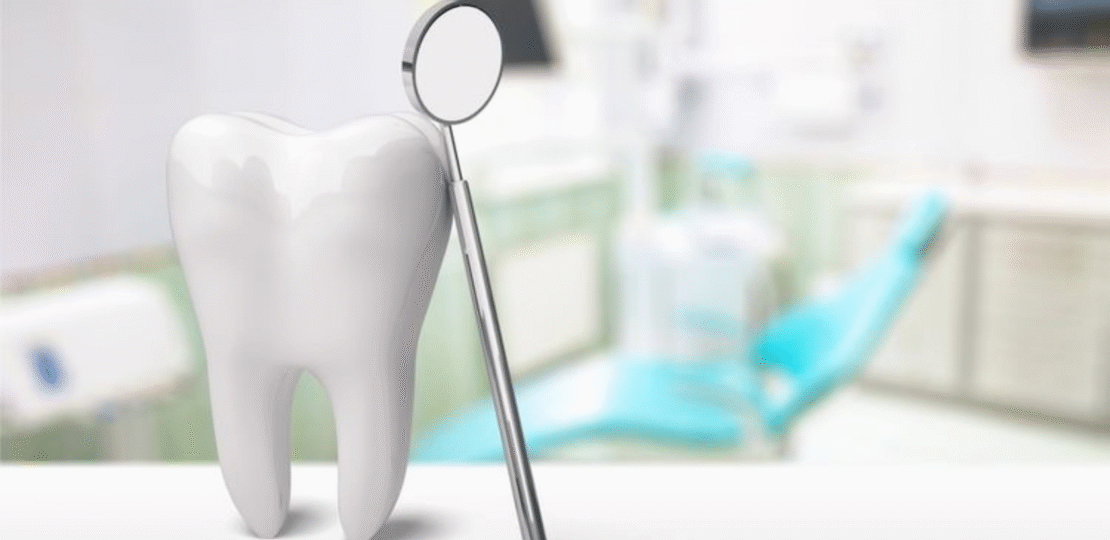
Your smile says a lot about you. People notice it right away. But here’s the thing – keeping it healthy isn’t rocket science. It just needs some daily effort and the right approach.
We all know brushing matters. Flossing too. Yet somehow, cavities and gum disease are everywhere. Why? Because knowing isn’t the same as doing. The habits I’m sharing today actually work. They’re not complicated or time-consuming. You just need to stick with them.Here’s something most people don’t think about. Prevention beats treatment every single time. I’ve watched friends suffer through dental procedures they could have avoided. Some ended up needing extractions. Others dealt with infections that kept them up all night.
If you’ve experienced the first night after tooth extraction, you know exactly what I mean. The discomfort is real. The swelling, the pain, the inability to eat properly – it’s miserable. That’s why I’m so passionate about prevention. Why go through all that when you can avoid it entirely?These five habits work together like a team. Skip one and you’re leaving gaps in your defense. Master all five and your teeth will thank you for decades. Let’s get into it.
Habit 1: Brush Twice Daily With Proper Technique
Most people think they’re good at brushing. They’re not. I used to rush through it in under a minute. Turns out I was doing more harm than good.You need two full minutes. That’s 30 seconds for each quarter of your mouth. Set a timer. Play a song. Whatever helps you slow down and do it right.Angle matters too. Hold your brush at 45 degrees to your gums. Use small circular motions.Don’t saw back and forth like you’re cutting wood. That wrecks your enamel and irritates your gums.
Your toothbrush needs replacing every three months. The bristles wear out faster than you’d think. A frayed brush is basically useless. It just pushes bacteria around instead of removing it.Always use fluoride toothpaste. It strengthens enamel and fights decay. Some people avoid fluoride but it’s one of our best weapons against cavities. Your tongue needs attention too. Bacteria hide there and cause bad breath. Give it a quick scrub while you’re at it.
Morning and night brushing should be automatic. Like locking your door or charging your phone. Non-negotiable parts of your day.
Habit 2: Floss Every Single Day
Here’s where most people fail. Only about 30% of adults floss daily. That’s wild to me. Your toothbrush cleans maybe 60% of your tooth surfaces. What about the other 40%?Food particles wedge between teeth. Plaque builds up in those tight spaces. Leave it there and you’re asking for cavities. Or worse, gum disease that can lead to tooth loss.
Use about 18 inches of floss. Wind most of it around your middle fingers. Guide it gently between teeth using your thumbs and forefingers. Curve it around each tooth in a C shape. Slide it up and down below the gum line. Don’t snap it. That hurts and damages delicate tissue.Traditional floss isn’t your only option. Floss picks work great. Water flossers are excellent for people with braces or bridges. The best tool is the one you’ll actually use consistently.Keep floss everywhere. Next to your toothbrush obviously. But also in your car or desk drawer. Remove every excuse for skipping it.
Habit 3: Rinse With Antibacterial Mouthwash
Mouthwash does more than freshen breath. A good antibacterial rinse kills the bacteria that cause plaque and inflamed gums. Look for ingredients like cetylpyridinium chloride or essential oils. Fluoride versions help strengthen enamel too.Use it after brushing and flossing. Swish for 30 seconds. Don’t eat or drink for half an hour afterward. Give those active ingredients time to work their magic.
Some people think mouthwash replaces flossing. Wrong. It’s an addition, not a substitution. You need the mechanical action of floss to remove stuck debris.Skip alcohol-based versions if you have dry mouth. They make it worse. Plenty of alcohol-free options work just as well. Mouthwash reaches spots that are hard to brush. It reduces gum inflammation. Think of it as backup protection for your mouth.
Habit 4: Limit Sugar and Acidic Foods
What you eat directly impacts your dental health. Sugar feeds cavity-causing bacteria. Those bacteria produce acid that dissolves enamel. It’s a vicious cycle.Cut back on sugary snacks and drinks. Soda is terrible for teeth. Candy too. Even your morning sweetened coffee contributes to the problem. Dried fruit seems healthy but it sticks to teeth and causes decay.Acidic foods wear down enamel too. Citrus fruits, vinegar-based dressings, wine – they all soften your tooth’s protective layer. You don’t have to eliminate them. Just be smart about frequency.
Rinse with water after eating sugary or acidic foods. This washes away harmful substances. But wait 30 minutes before brushing. Brushing softened enamel can actually damage it more.Choose smarter snacks. Raw veggies are great. Cheese helps neutralize acid. Nuts don’t feed bacteria. They might even help scrub your teeth naturally.Water is your best friend. It washes away food particles constantly. It keeps your mouth hydrated so saliva can do its job. Saliva is nature’s defense system for your teeth.
Habit 5: Visit Your Dentist Regularly
Home care isn’t enough on its own. You need professional cleanings and check-ups. Even with perfect brushing and flossing, some things require a dentist’s touch.Every six months is the standard. These visits catch small problems before they become big ones. A tiny cavity is way better than a root canal. Trust me on that.Professional cleanings remove tartar buildup. Once plaque hardens into tartar, your toothbrush can’t touch it. Only dental instruments can scrape it off. Left alone, tartar guarantees gum disease.
Your dentist screens for serious issues too. Oral cancer, systemic diseases, infections – many show early signs in your mouth. Regular visits literally save lives sometimes.Many facilities emphasize that consistent professional care prevents major problems. Finding quality Cypress Dental services or a trusted local provider makes maintaining your routine so much easier. Don’t skip appointments because everything feels fine. Dental problems rarely hurt until they’re advanced. By then you’re facing expensive, invasive treatments.
Dental anxiety is real. If you have it, tell your dentist. Many practices offer sedation or other accommodations. Finding a dental care provider you trust changes everything about maintaining consistent care.Some people need quarterly visits. Gum disease patients, diabetics, smokers – they often require more frequent cleanings. Your dentist will tell you what schedule works for your situation.
The Connection Between Prevention and Recovery
Prevention is infinitely easier than fixing problems later. I’ve heard countless people say they wish they’d taken dental care seriously when they were younger. Once damage happens, you’re playing catch-up forever.Modern dentistry is amazing. But even the best procedures involve recovery time. Especially extractions or surgeries. The discomfort disrupts your life. You miss work. You can’t eat normally. It’s frustrating.Build strong habits now and you avoid all that. You keep your natural teeth longer. You spend less money at the dentist. You maintain confidence in your smile. It’s literally that simple.
Think of dental hygiene like car maintenance. Regular oil changes prevent engine failure. Daily brushing and flossing prevent dental disasters. Same principle, different application.These five habits form a complete system. You can’t cherry-pick and expect great results. But combine them all and you’ve got serious protection against cavities and gum disease.
Making These Habits Stick
Knowing what to do means nothing without action. Here’s how to make these habits automatic in your life.Start small if you’re overwhelmed. Add one habit at a time. Wait until it feels natural. Then add the next one. Don’t try changing everything overnight. That never works.Set phone reminders. Create a bathroom checklist. Use whatever visual cues help you remember.
Eventually it becomes second nature and you won’t need prompts.Track your progress visually. Mark off days on a calendar when you complete everything. Seeing that chain of successful days motivates you to keep going.Get your family involved. When everyone commits together, you support each other. Kids especially benefit from learning these habits young. They’ll carry them through life.Reward consistency. After a month of perfect dental hygiene, treat yourself to something nice. Positive reinforcement works for adults too. We’re not so different from kids in that way.
Common Mistakes to Avoid
Even with good intentions, people sabotage their efforts with common mistakes. Don’t brush too hard. You’re cleaning teeth, not scrubbing a bathtub. Gentle pressure is plenty. Hard brushing damages gums and wears enamel down.
Don’t rush through it. Two minutes feels long but your teeth deserve that time. Put on music. Use a timer app. Just don’t cheat yourself.Don’t skip flossing on weekends or when you’re tired. Bacteria work 24/7. Your routine needs to match that consistency. No days off allowed.Don’t ignore warning signs. Bleeding gums mean something. Persistent bad breath too. Tooth sensitivity isn’t normal. See your dentist when you notice problems.Don’t use teeth as tools. Opening packages or cracking nuts with your teeth causes chips and cracks. Use scissors or a nutcracker like a normal person.
The Bigger Picture
Good dental hygiene affects your whole body. Research links gum disease to heart problems and diabetes. Bacteria from infected gums enter your bloodstream. They travel to other organs and cause inflammation.
Taking care of teeth is taking care of your overall health. It’s investing in your future quality of life. Plus there’s the confidence factor. A healthy smile affects how you feel about yourself.
It influences relationships, both personal and professional. You smile freely when you know your teeth look and feel great. Preventive dental care isn’t glamorous or exciting. But it’s one of the most important self-care routines you can develop.
These five habits create a foundation for lifelong oral health. They’re simple but powerful. Start today and your future self will thank you.
Frequently Asked Questions
How long should I brush my teeth?
Brush for two full minutes twice daily. Use a timer if needed. Most people drastically underestimate how long they actually brush.
Is an electric toothbrush better than manual?
Electric toothbrushes help if you struggle with technique. But manual brushes work great with proper form and timing. Choose what you’ll use consistently.
What if my gums bleed when I floss?
Bleeding usually means inflammation from plaque buildup. Keep flossing gently. If it continues after two weeks, see your dentist soon.
Can I prevent cavities without fluoride?
Fluoride is highly effective at preventing decay. If you avoid it, focus extra hard on other habits. See your dentist more frequently too.
How do I know if I have gum disease? Watch for red, swollen, or bleeding gums. Persistent bad breath is a sign. Receding gums or loose teeth need immediate attention. Don’t wait if you notice these symptoms.
RELATED POSTS
View all


Barriers Clothing Online Barriers Hoodie Worldwide Store
October 22, 2025 | by IoT Development Company

Top Flat Door Cabinet Styles to Transform Your Kitchen
November 20, 2025 | by IoT Development Company

Understand And Learn How To Apply Different Accounting Principles
October 22, 2025 | by IoT Development Company