


Boosting Efficiency and Quality with Advanced Glove Stripping Technology
October 30, 2025 | by IoT Development Company
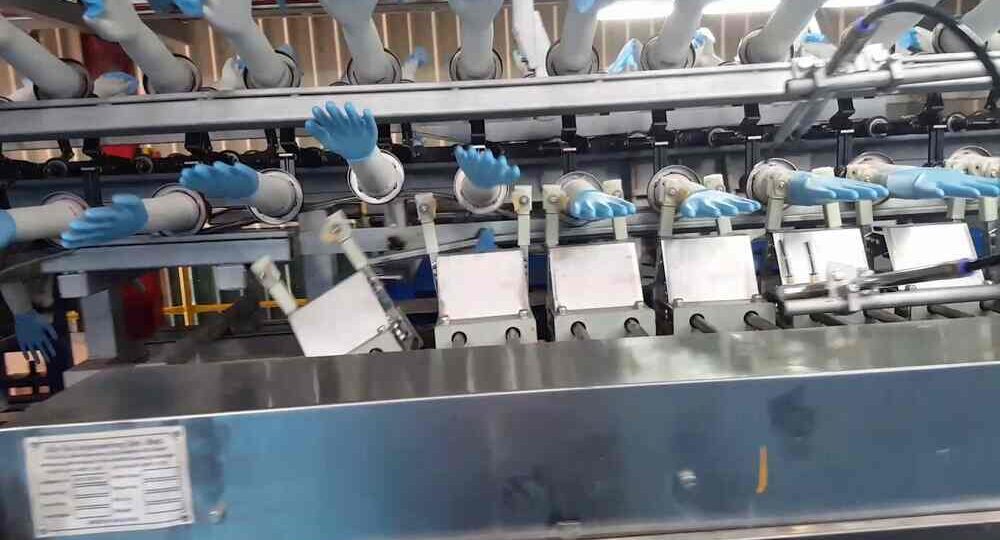
In the competitive world of glove manufacturing, efficiency and precision define profitability. Every step of the production line—from dipping to curing to stripping—must work seamlessly to ensure high output and consistent quality. Among these stages, glove stripping has evolved into one of the most critical and technology-driven processes. As global demand for medical, industrial, and specialty gloves continues to grow, manufacturers are turning to advanced glove stripping technology to maximize performance, reduce waste, and enhance product uniformity – https://mitrasaruta.com.
The Role of Glove Stripping in Modern Production
Glove stripping refers to the automated removal of gloves from the former molds after curing. Historically, this process was done manually, requiring intensive labor and often resulting in inconsistent results, higher rejection rates, and slower throughput.
Today, the process has been transformed by automation. Modern glove stripping systems use precision-engineered mechanical arms, air jets, and synchronized conveyors to strip gloves cleanly and consistently without damaging their integrity. These systems not only improve efficiency but also safeguard the consistent quality that markets demand—especially in medical and food-grade glove production, where even minor defects are unacceptable.
Why Automation Matters
Automated glove stripping systems are designed to address several persistent challenges in glove production:
- Labor Dependence: Manual stripping is slow, inconsistent, and labor-intensive. Automation reduces reliance on skilled labor while maintaining 24/7 productivity.
- Product Damage: Overstretching or tearing during manual removal can lead to product losses. Automated systems apply uniform force and timing, minimizing damage.
- Cycle Time Reduction: High-speed automation can strip thousands of gloves per hour, dramatically increasing line output.
- Hygiene and Contamination Control: Automated stripping eliminates direct human contact, maintaining the sterile standards essential for medical and cleanroom gloves.
The result is a more stable, predictable production environment with measurable improvements in yield, quality, and cost control.
Key Features of Advanced Glove Stripping Technology
The newest generation of glove stripping machines integrates multiple innovations to enhance both speed and precision. Leading systems feature:
- Smart Sensors and Control Systems: Intelligent controls monitor tension, timing, and air pressure in real time, automatically adjusting to maintain consistent performance.
- High-Precision Mechanical Design: Smooth, low-friction mechanisms and synchronized movements ensure that gloves are stripped evenly from each former.
- Customizable Settings: Manufacturers can easily adjust parameters to handle different glove types—latex, nitrile, or PVC—with minimal downtime.
- Energy Efficiency: Modern units are designed with optimized air and power consumption, reducing operating costs and environmental impact.
- Integrated Quality Monitoring: Advanced stripping systems often connect to central monitoring software, providing real-time data for production tracking and predictive maintenance.
These features make advanced glove stripping technology not just a production upgrade, but a cornerstone of modern smart manufacturing.
The Payoff: Efficiency Meets Quality
Adopting advanced glove stripping solutions translates into tangible performance gains. Production lines equipped with automated stripping systems consistently report:
- Up to 30% higher output due to reduced cycle times.
- Lower rejection rates, improving profitability and sustainability.
- Reduced downtime thanks to predictive maintenance and reliable operation.
- Improved operator safety, as workers spend less time near moving machinery.
Beyond operational efficiency, the biggest advantage lies in quality consistency. Each glove is stripped under controlled conditions, maintaining uniform thickness, texture, and fit—qualities that are crucial in competitive export markets.
Practical Advice for Manufacturers
For manufacturers considering an upgrade to advanced glove stripping systems, several best practices ensure maximum return on investment:
- Assess line compatibility: Match stripping systems with the size, speed, and configuration of existing dipping lines.
- Prioritize after-sales support: Choose technology providers offering reliable maintenance, spare parts, and technical expertise.
- Invest in training: Operators should understand how to monitor and fine-tune system parameters for optimal performance.
- Plan for scalability: Select systems that can adapt to future expansions or new glove types without major overhauls.
These steps help ensure that the investment in automation delivers long-term productivity and competitive advantage.
Looking Ahead
As global glove demand continues to rise, the pressure on manufacturers to deliver higher volumes with tighter quality standards will only intensify. Advanced glove stripping technology represents a decisive step toward smarter, more efficient, and more sustainable production.
By integrating automation, intelligence, and precision engineering, today’s glove stripping systems are not just improving how gloves are made—they are redefining what’s possible in the industry. For manufacturers committed to quality, efficiency, and global competitiveness, the future of glove production begins with innovation at the stripping line.
RELATED POSTS
View all


The Complete Guide to Vacation Rental Pricing Factors in 2025
October 27, 2025 | by IoT Development Company
Affordable Sewer Line Replacement Toronto | Get a Quote
October 24, 2025 | by IoT Development Company

CMI Help for Working Professionals in the UK
November 3, 2025 | by IoT Development Company