


How AI Real Estate App Development Can Increase Your Leads & Sales
October 31, 2025 | by IoT Development Company
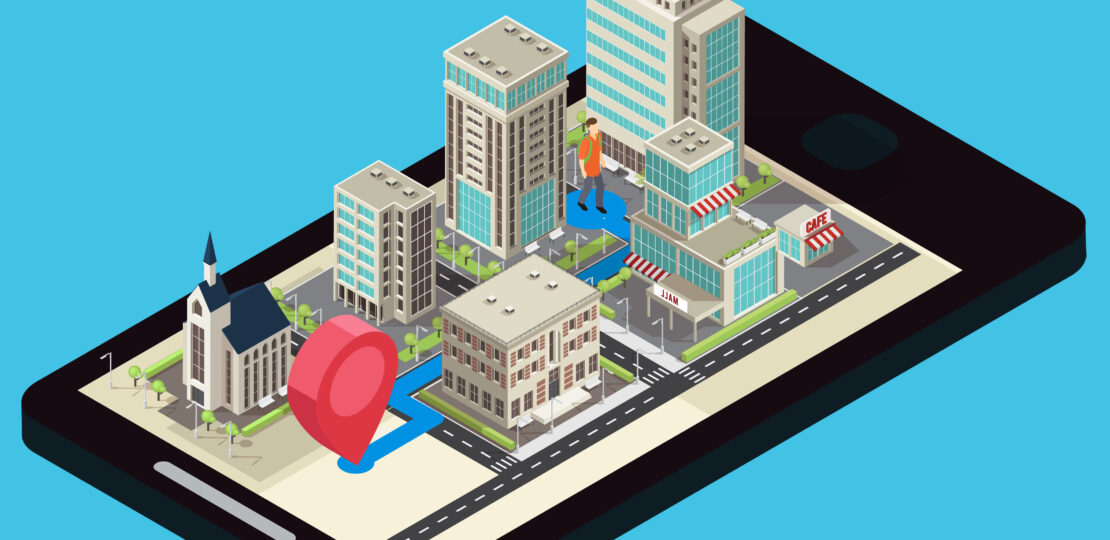
In the fast-evolving digital era, real estate businesses are no longer relying solely on traditional listings or physical meetings to attract buyers. The market has shifted toward personalized experiences, intelligent property recommendations, and seamless online interactions. This transformation is largely powered by artificial intelligence (AI). When you build AI real estate app, you’re not just adopting technology—you’re unlocking a powerful tool to boost engagement, generate quality leads, and accelerate sales.
Let’s explore how AI is reshaping the real estate sector and how it can significantly increase your leads and sales through smarter, data-driven app development.
1. Personalized Property Recommendations
One of the biggest challenges in real estate is helping clients find the right property quickly. Buyers often browse through countless listings that don’t match their preferences, wasting both their time and yours. AI changes this scenario completely.
AI-powered real estate apps analyze user behavior, search history, budget range, and location preferences to curate tailored property recommendations. By learning from each user’s interactions, the system refines its suggestions, ensuring that every property shown aligns closely with the buyer’s interests.
This level of personalization leads to higher engagement and better conversion rates. Users are more likely to contact an agent or schedule a visit when they see listings that perfectly match what they’re looking for.
2. Lead Scoring Through Predictive Analytics
Not every lead is a qualified lead. Real estate professionals often waste time chasing prospects who aren’t ready to buy or who are simply browsing. AI helps solve this problem through predictive analytics.
When you build an AI real estate app, it can automatically score leads based on their online activity—such as time spent viewing a property, number of inquiries made, or engagement with specific listings. The app can predict who is most likely to convert into a buyer or renter, allowing your sales team to focus their efforts on the most promising leads.
With AI-backed insights, you can allocate resources effectively, prioritize high-value prospects, and close deals faster.
3. Chatbots for 24/7 Customer Engagement
In real estate, timing is everything. A missed call or a delayed response can mean losing a potential deal. AI-powered chatbots ensure this never happens.
Smart virtual assistants integrated into your app can respond instantly to user queries—whether it’s about property details, availability, pricing, or scheduling a visit. These chatbots are available 24/7 and can handle multiple conversations simultaneously, improving response times and customer satisfaction.
Additionally, AI chatbots collect valuable data from user interactions, which can be analyzed to refine your marketing strategies or improve the overall customer experience.
4. Virtual Tours and Augmented Reality (AR) Experiences
Imagine allowing buyers to “walk through” a property without leaving their couch. AI-powered virtual tours and AR integrations make this possible.
When users can visualize properties in realistic 3D formats, they develop a stronger emotional connection to the listings. This reduces the number of physical visits needed, shortens the decision-making process, and boosts conversion rates.
Moreover, combining AI with AR enables dynamic customization—buyers can visualize furniture arrangements, wall colors, or even architectural changes in real time. These immersive experiences not only attract more leads but also significantly improve the chances of closing a sale.
5. Enhanced Property Valuation Accuracy
Pricing is often a tricky area in real estate. Overpriced properties scare away buyers, while underpriced listings reduce profitability. AI brings precision to the valuation process.
By analyzing historical data, market trends, neighborhood developments, and property features, AI algorithms can estimate accurate property values instantly. This transparency builds trust among users and ensures competitive pricing.
When you build an AI real estate app with integrated valuation tools, it gives both agents and clients confidence in the buying or selling process. Informed pricing decisions lead to faster transactions and higher customer satisfaction.
6. Smarter Marketing Campaigns with Data Insights
AI transforms how real estate businesses approach marketing. Traditional campaigns often rely on broad demographics, but AI-driven marketing leverages deep learning to understand behavior patterns and intent.
For instance, AI can analyze which types of properties attract the most clicks, the times users are most active, or which ads generate the best ROI. Using this data, your app can automate and optimize marketing campaigns in real time—delivering personalized messages to potential buyers when they’re most likely to engage.
This precision-based marketing ensures that your promotional budget is spent wisely, reaching high-potential customers and generating more qualified leads.
7. Streamlined Transaction and Documentation Processes
Closing a deal involves multiple steps—document verification, contract signing, payment processing, and compliance checks. These processes can be tedious and time-consuming. AI simplifies them.
With automated document recognition, AI can verify identities, analyze contracts, and detect discrepancies faster than any human team. Additionally, integrating blockchain with AI can enhance the security and transparency of transactions, reducing the risk of fraud.
By automating administrative tasks, you can focus on what truly matters—building relationships, nurturing leads, and increasing sales.
8. Improved Customer Retention Through Predictive Engagement
Once a property is sold or rented, many businesses fail to maintain customer relationships. AI ensures this doesn’t happen.
Predictive engagement models can analyze post-sale behavior, detect opportunities for future deals (such as property upgrades or investments), and automatically trigger re-engagement campaigns. This consistent, data-backed communication keeps your brand top of mind and encourages repeat business or referrals.
A loyal customer base is one of the most valuable assets in real estate, and AI helps you maintain it effectively.
9. Real-Time Market Trend Analysis
AI empowers your app to stay updated with market movements in real time. It continuously tracks price fluctuations, neighborhood developments, and buyer demand across regions.
By offering clients accurate market insights directly through the app, you establish your platform as a trusted authority. Buyers and sellers can make informed decisions, while your business gains credibility and visibility—key ingredients for long-term growth.
These insights also help you adapt your business strategy, target emerging markets, and stay ahead of competitors.
10. Building Trust Through Transparency and Automation
Trust is the foundation of every real estate transaction. AI brings transparency and credibility to the forefront. Automated systems reduce human errors, data-driven analytics ensure fair pricing, and smart contracts enhance accountability.
When customers see that your platform is objective, responsive, and accurate, they’re more likely to engage, refer others, and complete transactions confidently.
Final Thoughts
When you build an AI real estate app, you’re not just keeping up with technological trends—you’re creating an intelligent ecosystem that understands users, adapts to market shifts, and drives business growth. AI doesn’t just generate leads; it nurtures them, qualifies them, and helps convert them into loyal customers.
From smarter property recommendations to predictive marketing and streamlined transactions, AI is transforming how real estate professionals connect with clients. The result? More qualified leads, faster closings, and sustained sales growth.
RELATED POSTS
View all


Trust Smart Car Electrical Repair Dubai – Reliable & Positive Service
November 10, 2025 | by IoT Development Company

IoT Security: Protecting Our Connected World
November 25, 2025 | by IoT Development Company

BAPE Hoodie: The Icon of Modern Streetwear Culture
November 30, 2025 | by IoT Development Company