


Why Omnichannel Marketing Is No Longer Optional for Businesses
November 13, 2025 | by IoT Development Company
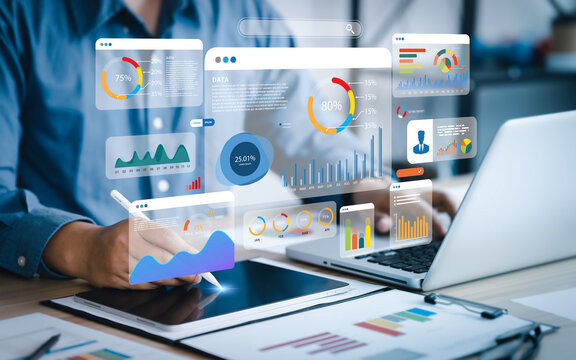
Here’s the thing—people don’t shop, scroll, or make decisions in one place anymore. One minute they’re watching a product review on YouTube, the next they’re comparing prices on Instagram, and by the time they actually make the purchase, they’ve probably interacted with your brand through three or four different touchpoints. That’s why omnichannel marketing isn’t just a fancy phrase anymore; it’s the backbone of how smart brands connect with real people.
The Shift from Multi-Channel to Omnichannel
A few years ago, having a Facebook page and an email campaign felt like enough. But customers today expect a consistent experience wherever they meet you—whether it’s on their phone, laptop, or inside your store. That’s where omnichannel marketing comes in. It’s about blending all these touchpoints so your brand voice, message, and experience feel unified.
A digital marketing company that truly understands this doesn’t treat each channel like a separate silo. Instead, it connects the dots—data from your website helps fine-tune your social ads, and email insights guide your content strategy. Everything works together, which means your customer feels like you know them, not like you’re chasing them with random ads.
Why Businesses Can’t Ignore It
Let’s break it down with a quick number: according to Harvard Business Review, over 70% of customers use multiple channels before making a purchase. If your brand isn’t showing up consistently across those touchpoints, you’re simply invisible to most of your audience.
Imagine a customer browsing shoes on your website but leaving without buying. A solid omnichannel setup would retarget them on social media, follow up with a personalized email, and maybe even offer a discount via a push notification. Without this approach, you’re just another tab they closed yesterday.
A digital marketing agency helps businesses stitch these experiences together—making sure every ad, email, and post feels like part of the same conversation. That’s not something you can fake with a few boosted posts or a basic newsletter. It takes strategy, data, and a deep understanding of how your audience moves between platforms.
Real-World Wins
Think about brands like Starbucks or Nike. You can order ahead on the app, earn rewards, get tailored offers through email, and still enjoy the same experience in-store. That’s omnichannel in action—each platform plays its part in one seamless customer journey.
Even smaller businesses can pull this off with the right help. A digital marketing services provider can integrate your social ads with your CRM, track customer behavior across platforms, and use that data to create campaigns that actually resonate. The result? Higher engagement, stronger loyalty, and customers who actually remember your brand.
The Bottom Line
Omnichannel marketing isn’t optional anymore because customers expect it. It’s not about being everywhere—it’s about being everywhere in sync. Businesses that understand this are the ones staying relevant, while those still treating each channel like a separate world are slowly fading out of sight.
So if you’re still juggling disconnected campaigns, it might be time to rethink your strategy. Find a digital marketing company that knows how to connect your channels, unify your message, and actually make your brand feel human again. Because in the end, that’s what omnichannel marketing is really about—meeting people where they are and making every interaction count.
RELATED POSTS
View all


Global Inulinase Market Analysis by Size, Share, Key Drivers, Growth Opportunities and Global Trends 2025-2034
November 8, 2025 | by IoT Development Company
Global Food Texturing Agent Market Analysis by Size, Share, Key Drivers, Growth Opportunities and Global Trends 2025-2034
November 8, 2025 | by IoT Development Company

Transform Learning with Custom Educational Software Development
November 4, 2025 | by IoT Development Company