


Phlebotomy Safety: Understanding Sharps Injuries and How to Prevent Them?
November 20, 2025 | by IoT Development Company
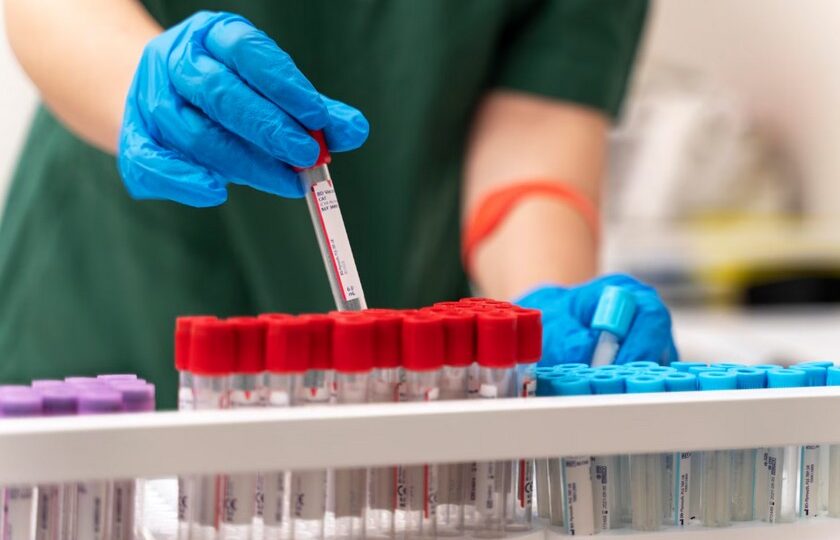
Phlebotomy is a critical procedure in healthcare, enabling clinicians to collect blood for diagnostic testing, transfusions, and research. While it may seem routine, phlebotomy carries inherent risks, particularly the risk of sharp injuries. Understanding these risks and adopting preventive measures is essential to ensure the safety of both healthcare professionals and patients.
What Are Sharps Injuries?
Sharp injuries refer to wounds caused by needles, lancets, scalpels, or other sharp medical instruments. In phlebotomy, these injuries most commonly occur during venipuncture or while handling used needles and syringes. Such incidents pose a significant risk of transmitting bloodborne pathogens, including hepatitis B, hepatitis C, and HIV.
Even a minor prick can lead to serious health consequences if proper post-exposure protocols are not followed. Therefore, awareness and preventive strategies are crucial components of any phlebotomy training program.
Causes of Sharps Injuries in Phlebotomy
Understanding why sharps injuries occur helps in preventing them. Common causes include:
- Improper Needle Handling: Recapping needles or handling them carelessly increases the likelihood of accidental punctures.
- Inadequate Training: Lack of proper technique or insufficient experience can lead to mishandling of sharps.
- Fatigue and Distraction: Long shifts and a high patient load may cause lapses in concentration, leading to accidents.
- Poorly Maintained Equipment: Faulty or dull needles can slip or break, causing injury.
- Unsafe Disposal Practices: Needles not disposed of correctly can injure staff during cleanup or in storage areas.
By addressing these root causes, healthcare facilities can significantly reduce the risk of sharps injuries.
Risks Associated with Sharps Injuries
The most serious risk of a sharps injury is the transmission of infectious diseases. In addition, injuries can lead to:
- Physical Trauma: Even a small puncture can cause pain, bruising, or tissue damage.
- Psychological Stress: Fear of infection or anxiety following an injury can affect mental health and job performance.
- Financial Burden: Treatment, post-exposure prophylaxis, and lost workdays contribute to increased costs for both staff and employers.
Given these risks, strict adherence to safety protocols is non-negotiable.
Best Practices for Preventing Sharps Injuries
Prevention is the most effective approach to sharps safety. The following best practices should be integrated into daily phlebotomy procedures and reinforced during a phlebotomy training program:
1. Use Safety-Engineered Devices
Modern phlebotomy tools are designed to reduce the risk of injury. Safety-engineered devices, such as retractable needles and needleless systems, minimize exposure to sharps. Choosing the right equipment for the procedure and ensuring it is in proper working order are crucial steps.
2. Follow Proper Needle Handling Techniques
Safe handling includes never recapping needles after use, using one-handed scoop techniques if recapping is necessary, and avoiding passing unsheathed needles between colleagues. Training programs emphasize these techniques to establish good habits from the start.
3. Adhere to Standard Precautions
Standard precautions are a cornerstone of infection control. Always wear appropriate personal protective equipment (PPE), including gloves, masks, and eye protection, when handling blood or sharp instruments. Hand hygiene before and after procedures further reduces the risk of infection.
4. Safe Disposal of Sharps
Proper disposal is vital in preventing injuries. All needles and sharps should be immediately placed in designated puncture-resistant sharps containers. These containers should be accessible, properly labeled, and never overfilled. Staff must receive training on local disposal regulations and facility-specific protocols.
5. Maintain Focus and Avoid Distractions
Phlebotomists must stay attentive during procedures. Reducing distractions, taking regular breaks, and avoiding fatigue are simple yet effective strategies to maintain concentration and minimize errors.
6. Continuous Education and Training
A well-structured phlebotomy training program reinforces safety practices and ensures that staff stay up to date with the latest guidelines. Continuous education, including refreshers on sharps safety and infection control, equips healthcare workers with the knowledge to handle sharps confidently and safely.
What to Do in Case of a Sharps Injury
Despite best efforts, injuries can still occur. Immediate action is critical to reduce health risks:
- Wash the Wound: Clean the puncture site immediately with soap and water. Avoid scrubbing aggressively as this may cause further tissue damage.
- Report the Incident: Notify a supervisor or the occupational health department as soon as possible. Proper reporting ensures timely follow-up and documentation.
- Seek Medical Evaluation: A healthcare professional will assess the injury and determine whether post-exposure prophylaxis or blood tests are needed.
- Follow Up: Adhere to all recommended follow-up procedures, including monitoring for signs of infection or disease transmission.
A proactive response can significantly reduce the long-term impact of sharps injuries.
Creating a Culture of Safety
Reducing sharps injuries is not just the responsibility of individual phlebotomists but requires a facility-wide commitment. Healthcare institutions should:
- Promote regular training and competency assessments.
- Ensure the availability of safety-engineered devices and PPE.
- Implement clear protocols for sharps handling and disposal.
- Encourage staff to report incidents without fear of reprisal.
By fostering a safety culture, facilities not only protect their staff but also enhance overall patient care quality.
The Role of a Phlebotomy Training Program
A comprehensive phlebotomy training program is essential in instilling safe practices and reducing the incidence of sharps injuries. Such programs teach:
- Proper venipuncture techniques.
- Correct use and disposal of needles and sharps.
- Infection prevention protocols.
- Emergency response procedures for sharp injuries.
These programs prepare learners for real-world scenarios, building confidence and competence while emphasizing safety. By participating in a phlebotomy training program, healthcare professionals acquire the knowledge and skills needed to protect themselves and their patients effectively.
Conclusion
Sharps injuries are a serious concern in phlebotomy, with the potential to cause physical harm, transmit infectious diseases, and create emotional stress. Understanding the causes of these injuries, implementing preventive measures, and responding promptly when incidents occur are essential components of safe practice.
Healthcare institutions and professionals must prioritize safety by using modern devices, adhering to standard precautions, maintaining focus, and fostering a culture of continuous learning. A well-structured phlebotomy training program plays a crucial role in instilling these best practices and preparing professionals to handle sharps safely. Ultimately, by adopting a proactive approach to sharps safety, phlebotomists can ensure their well-being and deliver high-quality patient care.
RELATED POSTS
View all


End Bad Breath Fast | Simple Mouthwash Secrets That Work
October 27, 2025 | by IoT Development Company

How Can Mylar Bags UK Boost Your Brand’s Packaging Appeal in UK?
October 23, 2025 | by IoT Development Company
How Long Should a Cover Letter Be & What Format to Use
October 22, 2025 | by IoT Development Company