


How Does Ingredient Prep Affect Fresh Deli Sandwich Serving?
November 27, 2025 | by IoT Development Company
Ingredient preparation methods determine whether delis serve great sandwiches or mediocre ones daily. Cutting vegetables hours early causes browning and moisture loss that customers notice immediately. Meat sliced too thick creates chewy bites while too thin tears apart during assembly. Proper prep timing balances efficiency needs against freshness requirements that matter most to people. Storage after prep affects how long ingredients maintain quality before sandwich assembly begins. Smart prep workflows speed up service without sacrificing the taste customers expect from you. Understanding prep basics helps delis achieve excellent fresh deli sandwiches serving every single shift.
Why Does Vegetable Cutting Timing Matter for Sandwich Quality?
Lettuce cut hours before service wilts and turns brown at the edges customers see. Tomatoes sliced early release juice that pools and makes everything soggy when used. Onions exposed to air too long lose their sharp bite people expect. Cucumbers dry out quickly after cutting and lose the crunch sandwiches need. Peppers maintain quality longer than other vegetables but still taste better when fresh. Herbs wilt within minutes of cutting and lose the flavors that make them. Research across Canada shows vegetables cut within thirty minutes taste noticeably better always.
What Meat Slicing Techniques Optimize Both Speed and Texture?
Thickness consistency ensures every bite has the same texture throughout the entire sandwich. Cold meat slices easier than room temperature meat that tears and shreds badly. Sharp blades create clean cuts while dull ones mash meat into ragged pieces. Slicing against the grain makes meat more tender and easier to chew for customers. Pre-portioning sliced meat speeds up assembly during lunch rushes happening at your deli. Stacking slices properly prevents sticking that wastes time during sandwich building being done. Good slicing directly supports quality fresh deli sandwich serving throughout all business hours today.
How Does Cheese Preparation Method Impact Final Sandwich Taste?
Slicing cheese fresh provides better flavor than pre-sliced versions sitting in wrapping for days. Grating cheese creates texture that melts differently than sliced cheese being used on sandwiches. Room temperature cheese spreads easier and tastes better than cold cheese straight from fridges. Cheese thickness affects how much flavor comes through against other sandwich ingredients being added. Quality cheese costs more but customers taste the difference compared to cheap alternatives used. Proper cheese handling shows in the final product quality people notice when eating. Cheese prep matters more than most delis realize for fresh deli sandwich serving success.
What Bread Storage and Handling Keeps It Fresh Until Serving Time?
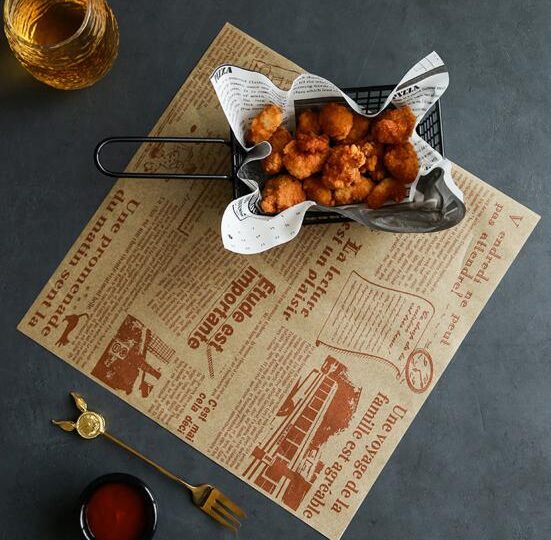
Bread left uncovered dries out within hours and becomes difficult to bite through. Storing bread in original bags maintains moisture without making it soggy from condensation. Custom deli wrap paper protects assembled sandwiches while allowing some breathing that prevents sogginess. Freezing extra bread preserves it longer but requires proper thawing before use happens. Room temperature bread tastes better than refrigerated bread that becomes stale and hard. Slicing bread just before use prevents cut surfaces from drying out in air.
How Do Condiment Prep Practices Affect Sandwich Assembly Speed?
Squeeze bottles speed up application compared to spreading with knives during every order. Pre-portioned condiment cups slow down service but give customers control over amounts used. Homemade condiments taste better than store bought but require daily preparation time invested. Condiments left at room temperature too long separate and lose quality customers expect. Organized condiment stations prevent workers from searching during busy lunch periods happening fast. Labeled bottles prevent mixing up similar looking sauces that create wrong flavors accidentally. Smart condiment prep supports fast fresh deli sandwich serving without sacrificing quality standards set. Companies like WaxPapersHub provide materials that support professional fresh deli sandwich serving operations daily.
What Batch Size Strategies Balance Efficiency Against Freshness Requirements?
Small batches maintain maximum freshness but require constant prep during service hours running. Large batches create efficiency but sacrifice quality as ingredients sit waiting for use. Predicting rush timing helps you prep right amounts without waste or shortages happening. Different ingredients need different batch strategies based on how quickly they degrade. Visible signs of aging like browning tell you when to discard and prep. Tracking waste helps you adjust batch sizes to match actual demand patterns seen. Balancing batches requires understanding your specific business patterns for fresh deli sandwich serving success.
How Does Prep Station Organization Speed Up Assembly Without Quality Loss?
Logical ingredient placement reduces movement and speeds up sandwich building happening during rushes. Cold ingredients kept closest to assembly point maintain temperature better throughout the shift. Frequently used items positioned within easy reach prevent wasting time during every sandwich made. Labeled storage prevents confusion when multiple workers prep and assemble sandwiches being ordered. Clean stations between prep sessions prevent cross contamination that causes health department violations found. Food paper placed under prep areas catches spills and makes cleanup faster between. Good organization directly enables quality fresh deli sandwich serving during the busiest times daily.
What Training Ensures Consistent Prep Quality Across All Workers?
Demonstration sessions show exactly how to cut vegetables to proper sizes needed consistently. Written guides with photos provide references workers can check during actual prep work. Practice during slow periods builds skills before workers face real lunch rush pressure. Immediate feedback corrects mistakes before bad habits form in new people hired recently. Regular refreshers prevent standards from declining as experienced workers get too comfortable over. Quality checks during prep catch problems before ingredients ever reach sandwich assembly stations. Trained workers create the consistency that defines excellent fresh deli sandwich serving every day.
Conclusion
Fresh deli sandwich serving depends heavily on proper ingredient preparation methods used daily. Vegetable cutting timing affects texture and appearance customers notice when unwrapping their orders. Meat slicing techniques impact both assembly speed and the final eating experience of people. Cheese preparation methods influence flavor strength and how well it complements other ingredients. Bread storage and handling determine whether sandwiches hold together or fall apart when.
RELATED POSTS
View all


Global Cloud Database and DBaaS Market Analysis by Size, Share, Key Drivers, Growth Opportunities and Global Trends 2025-2034
November 11, 2025 | by IoT Development Company

How Software Testing Services Improve Product Quality and User Trust
December 2, 2025 | by IoT Development Company

Rolls Royce Maintenance in Dubai – Luxury Car Care You Deserve
November 11, 2025 | by IoT Development Company