


High-Precision Industrial Joining with a Modern Fiber Welder Machine for Clean and Reliable Results
November 29, 2025 | by IoT Development Company
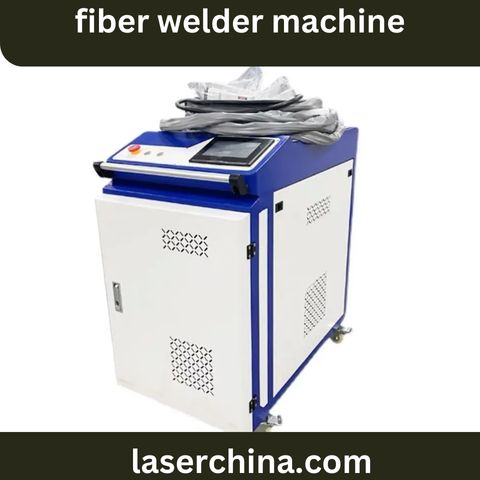
The industrial world is continuously transforming as manufacturers seek cleaner, faster, and more reliable methods of joining metals. Among the most impactful technologies to rise in recent years is the fiber welder machine, a powerful solution designed to deliver seamless metal fusion across a wide range of sectors. It has emerged as a preferred tool in factories, workshops, repair centers, and fabrication facilities due to its consistent output and remarkable precision.
Unlike traditional welding tools that rely on gas flames or bulky electrical systems, the fiber welder machine is built around a streamlined optical design that produces a concentrated beam of energy. This design makes it suitable for tasks that require accuracy and a refined finish. Its role in modern production environments continues to grow, as businesses of all sizes aim to improve quality while reducing unnecessary steps in their processes.
A fiber welder machine is typically used for joining metals such as stainless steel, carbon steel, aluminum, galvanized steel, brass, titanium, and various alloys. The clean and focused welding line produced by the fiber beam ensures the materials are merged with minimal deformation. This is especially useful for industries where appearance and structural consistency matter, including automotive production, aerospace assembly, kitchenware fabrication, custom metal artwork, machinery manufacturing, and more.
One of the most notable aspects of a fiber welder machine is the stability it brings to various environments. Workshops that operate long working hours appreciate how effortlessly the machine maintains performance throughout repetitive cycles. Even small manufacturing businesses that work on custom orders benefit from its ability to quickly switch between different material types and thicknesses. The lightweight nature of the welding torch also allows users to move freely, creating smoother workflows and reducing fatigue during extended welding routines.
Metal fabrication companies often adopt a fiber welder machine to upgrade their welding operations. Traditional welding methods may introduce unnecessary heat or require frequent rework due to inconsistencies. In contrast, the fiber welder machine produces a narrow and targeted beam, enabling refined weld seams that appear neat and polished. This is beneficial for sectors such as stainless steel furniture manufacturing, where visible weld lines must look clean and professional.
Repair workshops also praise the efficiency of the fiber welder machine. Tasks like repairing cracks, sealing joints, reinforcing weak points, or fabricating custom metal parts can be completed rapidly. The machine has become a reliable partner for technicians who require consistent performance without extensive setup. Whether repairing industrial machinery, restoring metal equipment, or working on vehicle parts, the fiber welder machine provides dependable output across various use cases.
Another reason the fiber welder machine is admired is its compatibility with modern industrial workflows. Many factories today need tools that integrate smoothly into high-speed production lines. A fiber welder machine can be positioned strategically within an assembly unit to operate in coordination with other equipment. Its capacity for repeatable performance makes it suitable for batch production, prototype creation, or continuous welding tasks that demand stable results.
The technology behind the fiber welder machine is engineered to produce a concentrated beam that penetrates metal surfaces precisely at the point of contact. Since the energy is delivered through a fiber source, the beam remains stable even when operated at high power levels. This consistency allows operators to maintain smooth weld paths, even when working with metals that are typically challenging to join.
In custom fabrication shops, the fiber welder machine opens new possibilities for design innovation. Creators can effortlessly craft metal frames, decorative pieces, signage, and structural elements that require clean welding marks. For businesses that depend on visual appeal—such as interior design manufacturers or boutique metal artisans—the refined output of the fiber welder machine helps elevate product quality.
Construction and infrastructure companies also rely on fiber welder machine systems due to their adaptability on-site. Workers can perform welding tasks in restricted spaces or elevated areas without heavy setups. The compact and ergonomic design of the welding torch makes it easy to reach tight corners, beams, pipes, and support structures. This flexibility supports multiple construction needs and ensures reliable joining in demanding environments.
Manufacturers in the electronics and electrical appliance industry appreciate the precision offered by a fiber welder machine. Small components, thin materials, and sensitive structures benefit from the controlled heat input. The welder produces smooth and stable seams without compromising the surrounding material. This level of control allows producers to meet strict quality standards required in electrical enclosures, appliance bodies, battery casings, lighting systems, and related components.
The automotive industry is another major adopter of the fiber welder machine. Automotive parts need to withstand vibration, pressure, temperature changes, and heavy usage. A fiber welder machine provides a reliable weld that can handle such conditions. Car repair shops also use the machine for bodywork, chassis reinforcement, exhaust fabrication, and restoration projects. With its refined and consistent outcome, the fiber welder machine contributes significantly to both large-scale manufacturing and maintenance services.
Stainless steel fabrication is one of the areas where the fiber welder machine excels the most. Stainless steel is widely used in food processing equipment, medical tools, restaurant interiors, railings, gates, and architectural structures. The clean weld produced by the fiber welder machine maintains the natural shine and uniform appearance of the metal, allowing manufacturers to deliver visually appealing and structurally stable products.
The growing global trend toward more efficient manufacturing methods continues to boost the demand for fiber welder machine equipment. Businesses looking to increase productivity without compromising craftsmanship find this machine to be a perfect match for their goals. As the need for high-precision welding expands, more industries recognize the fiber welder machine as a valuable investment.
Many workshops and factories now consider integrating a fiber welder machine into their long-term production strategies. It offers better control, flexibility, and welding consistency, helping businesses maintain high standards while managing a diverse range of projects. Whether used for daily heavy-duty tasks or occasional custom orders, the machine provides dependable performance.
The growing supply of fiber welder machine models in the global market also gives businesses the freedom to choose a system that aligns with their production needs. Some opt for compact designs suitable for small workshops, while others require larger units with increased power for heavy fabrication tasks. Regardless of size or application, the fiber welder machine continues to transform metalworking routines across multiple industries.
As user demand expands, suppliers are increasingly improving designs to enhance durability, torch comfort, and operational efficiency. These advancements allow the fiber welder machine to remain a central welding solution even as manufacturing trends evolve. The machine’s ability to deliver stable results makes it a dependable tool for long-term industrial development.
Final Thoughts
The rise of the fiber welder machine marks an important step forward for modern metalworking industries. Its ability to produce clean welds, maintain performance across different materials, and support diverse applications has made it a trusted solution worldwide. Businesses looking for consistent welding quality and streamlined operations continue to adopt this technology as a core part of their workflow.
RELATED POSTS
View all


CCRN-Pediatric Exam Guide 2025 | Simple Prep Tips and Study Plan
November 11, 2025 | by IoT Development Company

Professional Tally Customization Services in India – Tailored for Your Business
October 21, 2025 | by IoT Development Company

Golf Wang vs. GOLF le FLEUR: Understanding Tyler’s Two Iconic Lines
November 29, 2025 | by IoT Development Company