


Online PTSD Psychiatrist: Is Telehealth Effective for Trauma Treatment
November 26, 2025 | by IoT Development Company
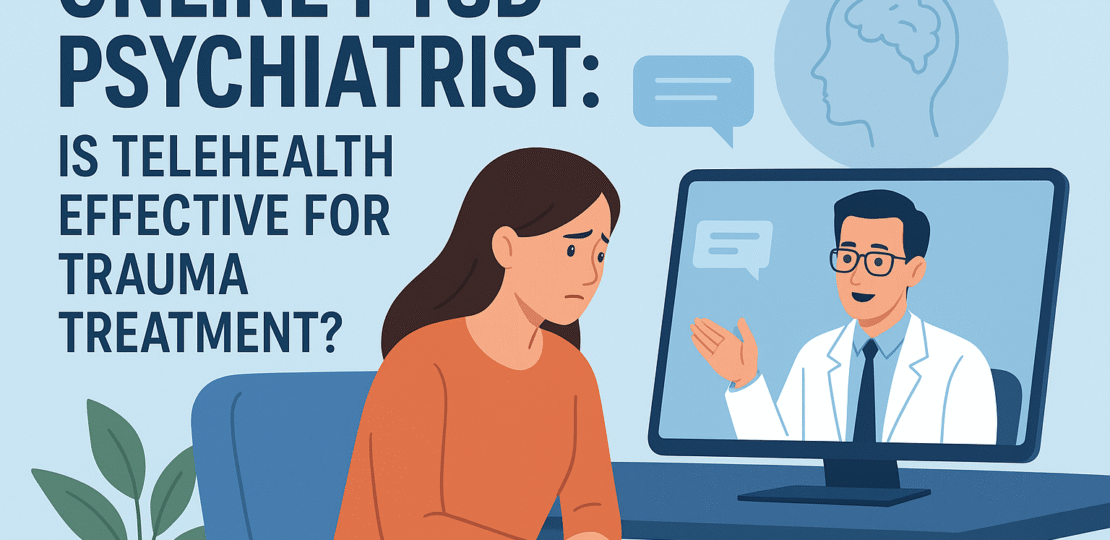
Post-Traumatic Stress Disorder (PTSD) affects millions of people worldwide, often leaving individuals struggling with intrusive memories, heightened anxiety, sleep disturbances, emotional numbness, and overwhelming fear responses. Traditionally, people sought help through face-to-face sessions with a PTSD psychiatrist, but the rise of telehealth has transformed how mental health care is delivered. Today, online psychiatry has become one of the most accessible and widely used options for trauma treatment.
But is telehealth truly effective for PTSD, especially when treatment requires sensitive discussions, precise diagnosis, and ongoing emotional support? This comprehensive guide explores how online psychiatric care works, its benefits, potential limitations, and what individuals can expect when seeking help from an online PTSD psychiatrist.
Understanding PTSD and the Role of a PTSD Psychiatrist
PTSD is a mental health condition triggered by traumatic life events such as violence, accidents, abuse, natural disasters, medical emergencies, or prolonged stress. Symptoms can appear immediately after the trauma or develop months or even years later.
A PTSD psychiatrist plays a crucial role in diagnosing the disorder, designing individualized treatment plans, prescribing medication if needed, and providing ongoing support. These specialists are trained to understand trauma responses and use evidence-based therapies such as:
- Cognitive Behavioral Therapy (CBT)
- Trauma-Focused CBT
- Eye Movement Desensitization and Reprocessing (EMDR)
- Medication management for symptoms such as anxiety, depression, or insomnia
With telehealth expanding rapidly, these services are now available online offering greater convenience and accessibility for people who may struggle with in-person visits.
How Telehealth for PTSD Works
Telehealth enables patients to connect with mental health professionals through secure video sessions, online platforms, or mobile apps. An online PTSD psychiatrist typically offers:
1. Virtual Assessments
Initial evaluations are conducted through detailed conversations, symptom checklists, and structured interviews to determine the severity of PTSD.
2. Ongoing Therapy Sessions
Patients attend regular online therapy sessions, allowing them to work through trauma in a comfortable environment.
3. Medication Management
If medication is part of the treatment plan, psychiatrists provide e-prescriptions and follow-up appointments to monitor progress.
4. Digital Tools and Resources
These may include mood-tracking apps, coping-skills worksheets, guided meditation recordings, and crisis-support information.
Telehealth services strive to replicate the effectiveness of in-person treatment while offering added comfort and reduced barriers.
Is an Online PTSD Psychiatrist Effective?
Many people wonder whether a virtual environment can offer the same depth and emotional support as sitting face-to-face with a psychiatrist. Fortunately, several studies and patient reports indicate that telehealth can be just as effective and in some cases, even more supportive than traditional therapy.
Here’s why:
1. Increased Comfort and Safety
Trauma survivors often struggle with trust, fear, or anxiety when disclosing painful memories. Participating in therapy from home can help them feel more relaxed and secure.
For many individuals, the sense of safety that comes with familiar surroundings encourages more open communication, which enhances treatment success.
2. Better Access to a PTSD Specialist
In many regions, there is a shortage of trauma-focused mental health professionals. Telehealth removes geographic limitations by allowing patients to connect with a PTSD psychiatrist regardless of location.
This is especially helpful for:
- People living in rural areas
- Individuals with mobility challenges
- Busy professionals
- Parents with limited childcare options
Access to specialized care is one of the primary reasons telehealth is transforming mental health treatment.
3. Continuity of Care
Telehealth reduces interruptions caused by:
- Transportation issues
- Weather conditions
- Personal emergencies
- Schedule conflicts
Consistent treatment is essential for trauma recovery, and virtual appointments make it easier to stay committed long-term.
4. Reduced Stigma
Some individuals avoid seeking help due to fear of judgment or misunderstanding. Online sessions provide a sense of privacy that encourages more people to pursue mental health treatment without feeling exposed.
5. Evidence-Based Results Comparable to In-Person Therapy
Clinical research suggests that telehealth for PTSD often achieves outcomes similar to face-to-face treatment. Many trauma-focused therapies, including CBT and medication management, adapt seamlessly to the virtual setting.
Patients frequently report:
- Improved emotional regulation
- Decreased anxiety and intrusive thoughts
- Better sleep quality
- Greater confidence in coping strategies
- Enhanced quality of life
These results highlight the effectiveness of online psychiatric support when delivered by a trained professional.
Benefits of Seeing an Online PTSD Psychiatrist
Choosing a telehealth psychiatrist offers numerous advantages for trauma survivors seeking compassionate and accessible care.
1. Convenience and Flexibility
Online appointments can be scheduled around work, family responsibilities, or other commitments. No commuting means less stress and more time for healing.
2. Confidentiality
Sessions are conducted on secure, HIPAA-compliant platforms. Patients can attend from home, in their office, or even from their car, ensuring privacy at all times.
3. Personalized Treatment Plans
Despite being online, psychiatrists provide tailored treatment plans based on:
- Symptom severity
- Trauma history
- Medication needs
- Personal goals
Virtual communication still allows a strong therapeutic relationship to develop over time.
4. Easier Crisis Management Tools
Digital mental health platforms often include:
- Emergency support instructions
- Direct messaging options
- Appointment reminders
- Resource libraries
- Self-help exercises
These tools help patients stay grounded between sessions.
5. Lower Emotional Barriers to Starting Therapy
For many, walking into a therapy office can feel intimidating. Telehealth lowers that initial emotional hurdle, giving more people the courage to begin their healing journey.
Potential Limitations of Telehealth for PTSD
Although online psychiatry is highly effective, it may not be suitable for every situation.
1. Severe Crisis Situations
Individuals experiencing suicidal thoughts or acute psychiatric emergencies may require in-person support or crisis intervention.
2. Discomfort With Technology
Some patients may have difficulty using video platforms or may lack reliable internet access.
3. Need for Certain Therapies
While most trauma therapies adapt well online, some individuals may benefit more from in-person EMDR or intensive outpatient programs.
4. Privacy Challenges at Home
If a patient lives in a shared space, maintaining confidentiality can be difficult. Using headphones or scheduling sessions at quiet times can help.
With proper planning, many of these limitations can be managed effectively.
How to Prepare for Your First Online PTSD Psychiatry Session
To get the most out of telehealth, patients can take simple steps such as:
1. Choose a Quiet, Private Location
A comfortable room with minimal distractions helps create a safe therapeutic environment.
2. Test Your Internet and Device
Ensuring good audio and video quality prevents interruptions during emotional conversations.
3. Write Down Symptoms and Questions
Tracking thoughts, triggers, and sleep patterns can help the psychiatrist make accurate assessments.
4. Be Open and Honest
Telehealth only works when the patient feels comfortable expressing their thoughts and emotions. Remember that a PTSD psychiatrist is trained to support you without judgment.
Who Can Benefit Most from an Online PTSD Psychiatrist?
Telehealth may be an ideal option for:
- Survivors of domestic violence
- Individuals with childhood trauma
- Veterans or first responders
- People recovering from accidents or medical trauma
- Individuals experiencing panic attacks, flashbacks, or hypervigilance
- Anyone avoiding in-person therapy due to stigma or fear
Online care offers a compassionate pathway for individuals who need help but hesitate to seek support in traditional settings.
Choosing the Right PTSD Psychiatrist Online
When selecting an online psychiatrist, consider:
- Credentials and trauma-focused training
- Experience with PTSD, complex trauma, or secondary trauma
- Availability and appointment flexibility
- Comfort with the psychiatrist’s communication style
- Whether medication management is needed
- Platform security and privacy standards
Quality treatment depends on finding a compassionate and knowledgeable professional who understands trauma deeply.
Platforms like HelloDoc make it easier to connect with licensed PTSD psychiatrists who specialize in trauma-informed care and who provide evidence-based treatment through secure and reliable telehealth systems.
Final Thoughts
The short answer is yes telehealth can be just as effective as in-person treatment for many individuals living with PTSD. Online sessions with a professional PTSD psychiatrist offer comfort, accessibility, privacy, and continuity of care, all of which are essential for trauma recovery.
Though telehealth may not be ideal for every situation, it has become an empowering therapy option for people seeking compassionate, convenient, and meaningful support. With platforms such as HelloDoc, trauma survivors can access the help they need no matter where they live or what challenges they face.
Healing from trauma is a journey, but with the right support, guidance, and expertise, recovery is absolutely possible.
RELATED POSTS
View all


Why Choose Herbal Skincare for Allergy-Prone Skin?
October 25, 2025 | by IoT Development Company

Best Hackathon Platform: Where Innovators Build, Compete & Grow
November 18, 2025 | by IoT Development Company
Why You’re Still Tired Even After Eating Healthy
October 21, 2025 | by IoT Development Company