


Passionate About Powering Homes with the Sun Since Day One
November 3, 2025 | by IoT Development Company
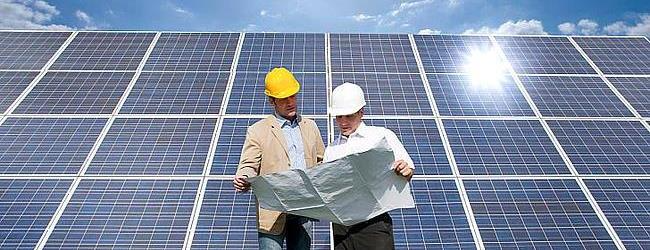
From a first rooftop panel to complete neighborhoods humming on sunlight hours, solar power has constantly felt like a common feeling to many of us. It’s simple: sunlight is unfastened, quiet, and anywhere. The trick is popping that light into reliable, normal strength for kitchens, heaters, laptops,, and the tiny nightlight that maintains the hallway friendly at a.m M.
This article walks through why people choose solar, what to expect from a normal residential deployment, and practical tips to get the maximum from your gadget — written it appears that evidently, without a ebusinessspin.
Solar isn’t a fad. It’s an equipment that gets smarter, smaller, and lower priced every year. People who pick it accomplish that for plenty of reasons: decreased payments, fewer interruptions due to the grid hiccups, a smaller carbon footprint, and, for some, a satisfying independence from fuel-charge rollercoasters. Homeowners who commit to this generation frequently say it changes the way they consider energy. They watch, tweak, and examine — and in the method they use less and pay less.

What does “Residential Solar Panel Installation” really mean for a homeowner
At its heart, a residential solar panel installation is the process of placing photovoltaic (PV) panels on a domestic or commercial property and connecting them so that they reliably feed usable electricity into the residence. That includes more than simply bolting panels to rafters. It involves proper website assessment, secure mounting, electric connection, and checking out. It additionally approaches following neighborhood policies and protection requirements so your gadget performs well with the grid and your insurer.
The enjoy tends to observe a few predictable stages:
- Site visit and coloration evaluation to decide the pleasant format.
- System layout: panels, inverter kind, and wiring plan.
- Permits and utility approvals.
- Installation day(s): mounting, wiring, and inverter setup.
- Inspection and commissioning.
- Monitoring — so that you can see what your panels produce.
Those steps can be rapid or a bit gradual, depending on permitting and application timelines. But once the device is running, it ordinarily continues to run itself. Panels quietly convert photons into electrons at the same time as you’re making coffee.
Why people pick out solar — beyond the obvious
Some motives are immediate and realistic; others are quieter.
- Lower month-to-month energy payments. You generate power on the web page, so you buy much less from the utility.
- Predictable strength fees. After installation, a large portion of your electricity use is self-produced, protecting you from surprise fee spikes.
- Resilience. With a delivered battery garage, your own home can hold crucial structures running through an outage.
- Environmental effect. Every kilowatt-hour you produce reduces demand on fossil-gasoline plant life.
- Property fee. Several studies show sun-ready homes sell faster and frequently command better prices.
- Personal satisfaction. Many owners revel in the daily manufacturing readout and the idea that they’re doing something tangible for the planet.
Common questions homeowners ask
“How tons roof space do I want?” — It varies, but modern-day panels %have greater strength according to square foot than older models. A compact machine that covers vital hundreds might also handiest need some panels.
“Will panels damage my roof?” — Properly set up panels can virtually defend the roof below them. The actual chance comes from a terrible setup or slipping contractors. Choose skilled experts and ask approximately warranties.
“How long do panels last?” — Most panels include a performance warranty of 25 years, though many retain generating beyond that with slightly reduced performance.
“Do I want batteries?” — Not always. Batteries provide resilience and allow time-transferring of energy use; however, they come at a high cost. If your goal is bill discount and you stay in an area with net metering, a battery is optional.

Simple steps to get commenced — sensible tick list
If you’re curious and want to remember a solar transition, right here’s a short checklist to manual your first actions:
- Gather your past twelve months of strength bills.
- Note your roof’s orientation and major shading features (timber, chimneys).
- Look up neighborhood incentives and tax credits.
- Request at least three charges from official installers.
- Ask each installer for a proposed system layout, predicted production, and payback estimate.
- Check installer references and evaluations.
- Confirm permitting and timeline earlier than signing.
How to avoid common pitfalls
Avoid carriers who stress you into a quick decision. If a salesclerk promises unrealistic financial savings without designated numbers, step back. Read the high-quality print on loan or rent agreements. If a quote appears vague about the patent logo, inverter type, or assurance, ask for a rationalization. A reliable installer is obvious and glad to explain.
Also, don’t overlengthen the system just to hit a destiny “what if.” Oversizing can be steeply-priced and, relying on local guidelines, you might not fully gain from extra production you can’t use or export.
Small investments, huge behavioral wins
Installing solar frequently sparks small, thrifty conduct modifications. Homeowners begin wondering in kilowatt-hours. They shift high-electricity tasks like laundry to midday, while panels produce the most. Smart thermostats and green home equipment pair perfectly with solar: better savings, less waste, happier wallets.
You don’t want to be anorexic to experience those advantages. A bit of curiosity and a preference for lower bills move in a protracted manner.

Bullet-point precis — key takeaways
- Solar turns sunlight into the strength that powers normal existence.
- A residential solar panel setup consists of evaluation, design, permits, mounting, wiring, and commissioning.
- Benefits: decrease payments, resilience, reduced carbon footprint, and potential boost savings.
- Batteries are useful backup; however, no longer obligatory for financial savings in many areas.
- Do your homework: accumulate payments, gather fees, check warranties, and references.
- Avoid excessive-pressure income and uncertain contracts.
- Small behavioral changes amplify the financial and environmental returns from your gadget.
Final idea
Choosing solar isn’t a one-size-fits-all selection. It’s a private preference fashioned by way of your own home, your price range, and what you need from your strength. For many, it’s an easy way to align daily existence with long-term values: saving money, reducing waste, and embracing a quieter, purifier supply of power. If you’re obsessed with powering your property with solar, the first step is frequently the perfect — ask for a neighborhood evaluation. From there, each panel you add is a small, consistent vote for a brighter manner of residing.
RELATED POSTS
View all


Essentials Hoodies comfort and durability wear shop
October 27, 2025 | by IoT Development Company

The Growing Importance of Mobile App Development in the Digital Age
October 22, 2025 | by IoT Development Company

BTEC Assignment Help: Expert Support for Academic Success
October 27, 2025 | by IoT Development Company