


RO Membrane and Water Pre Filters: The Backbone of Clean Water Systems
October 28, 2025 | by IoT Development Company
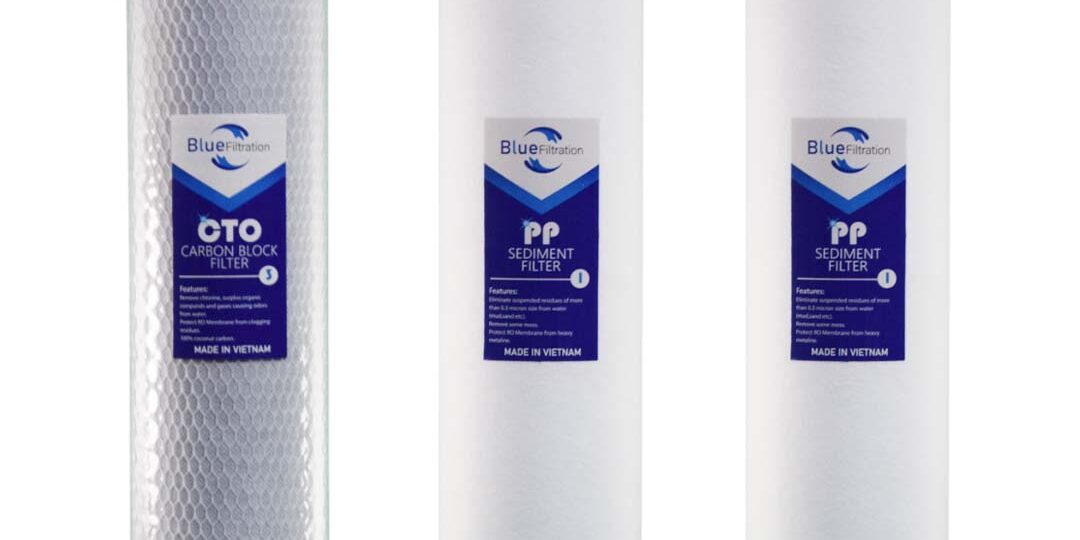
In today’s world, access to safe and clean drinking water is not just a convenience — it’s a necessity. Whether you rely on municipal water or draw from a private well, hidden contaminants often sneak into your supply. That’s where RO membrane technology and water pre filters come into play. Together, they form a powerful purification duo that ensures every drop you drink is free from impurities, heavy metals, and harmful chemicals.
Understanding how these two elements work — and how to maintain them — can dramatically improve your water quality and extend your system’s life. Let’s explore their functions, differences, and how to get the most from them.
What Is an RO Membrane and Why It Matters
The RO membrane, or reverse osmosis membrane, is the heart of any RO water purification system. It’s a semi-permeable sheet that removes microscopic contaminants, ensuring that only pure water molecules pass through. This advanced barrier filters out up to 99% of dissolved salts, heavy metals, and bacteria, delivering water that’s safe, clean, and great-tasting.
Without a functioning RO membrane, your purifier can’t do its job. Over time, minerals, chlorine, and sediments can damage this delicate component, reducing its efficiency. That’s where water pre filters come in — to protect it from premature wear.
How Water Pre Filters Protect the RO Membrane
Before water reaches the RO membrane, it passes through several stages of filtration. The most crucial of these are water pre filters. They remove larger particles like sand, rust, and dirt — impurities that could otherwise clog or damage the fine pores of the membrane.
Think of water pre filters as the gatekeepers of your purification system. Their main role is to take the heavy load off the RO membrane so that it can focus on finer purification. Without these protective filters, sediment buildup would quickly reduce the flow rate and shorten the lifespan of the RO membrane.
Types of Water Pre Filters Commonly Used
Sediment Filters
Sediment filters are the first line of defense. They capture visible impurities like silt, clay, and dust particles. For homes with high sediment levels, these water pre filters are indispensable in maintaining consistent flow and clarity.
Carbon Block Filters
These filters remove chlorine and organic compounds that can corrode or weaken the RO membrane. Chlorine, in particular, is harmful because it breaks down the thin film composite of the membrane. Installing carbon-based water pre filters helps neutralize chlorine before it reaches the RO stage.
Pre Carbon Filters
Often used in multi-stage systems, pre carbon filters improve taste and odor while also protecting the RO membrane from chemical damage.
Each type of pre filter plays a role in ensuring your RO system operates at maximum efficiency.
The Working Principle of an RO Membrane
When water enters the purification system, it first passes through the water pre filters, which handle larger impurities. Then it reaches the RO membrane, where the real magic happens.
The membrane uses high pressure to push water molecules through microscopic pores that are just 0.0001 microns wide. This size is small enough to block viruses, bacteria, heavy metals, and dissolved salts. The filtered water moves to the storage tank, while waste water carrying contaminants is flushed out.
By ensuring that only clean water passes through, the RO membrane delivers a superior purification result unmatched by most other technologies.
Why RO Membrane and Water Pre Filters Must Work Together
The efficiency of an RO membrane depends heavily on the condition of its water pre filters. If the pre filters are clogged or dirty, less water reaches the membrane, leading to pressure drops and slower purification.
Clean pre filters also prevent the membrane from being overworked. This synergy ensures that your system produces a steady supply of clean water while consuming less power and reducing maintenance costs.
If you replace your water pre filters on time, your RO membrane can last between two to five years, depending on water quality and usage. Neglecting them, however, can shorten that lifespan dramatically.
How Often Should You Replace These Filters?
Water Pre Filters Replacement Schedule
Most water pre filters need replacement every three to six months. However, the exact frequency depends on your water source and household usage. Homes using well water or those located in areas with high sediment levels may require more frequent changes.
RO Membrane Replacement Schedule
A typical RO membrane should be replaced every two to three years, though this can vary. If you notice a drop in water taste, odor, or output, it’s often a sign that your membrane is nearing the end of its life cycle.
Regular maintenance ensures that your system continues to deliver the highest quality water possible.
Signs That Your RO Membrane or Pre Filters Need Attention
- Reduced Water Flow: If your system takes longer to fill the tank, it’s time to inspect your RO membrane and water pre filters.
- Unpleasant Taste or Odor: Chlorine or metallic tastes indicate that filters are no longer effective.
- Cloudy Water: This suggests the pre filters aren’t trapping sediment efficiently, allowing impurities to reach the membrane.
- Frequent Leaks: Clogged filters increase pressure, which can lead to leaks around fittings and housings.
Catching these signs early saves you from costly repairs and ensures continuous access to pure water.
Installation Tips for Optimal Performance
When installing your RO membrane and water pre filters, follow manufacturer guidelines carefully. Ensure the flow direction is correct, and use high-quality connectors to avoid leaks.
Avoid installing filters in areas exposed to heat or sunlight, as this can weaken plastic housings. It’s also a good idea to flush new filters with clean water before connecting them to your RO unit — this removes carbon dust and air bubbles that can disrupt flow.
If you’re replacing an RO membrane, always sanitize the housing before inserting the new one. Proper installation ensures smooth performance and prevents contamination.
Maintenance and Cleaning Tips
Regular Flushing
Flushing your system regularly prevents sediment buildup inside the RO membrane. Some RO systems have auto-flush functions that extend membrane life and reduce maintenance effort.
Pre Filter Cleaning
For reusable water pre filters, you can rinse them every few weeks to remove trapped debris. Disposable ones should be replaced as recommended to maintain optimal flow.
Use Quality Replacements
Not all filters are created equal. Always choose branded or certified replacements for both your RO membrane and water pre filters. Using low-grade alternatives may affect water purity and damage your purifier.
Advantages of Maintaining Both Components
Keeping both the RO membrane and water pre filters in top condition offers several long-term benefits:
- Consistent water pressure and purity
- Longer lifespan for the entire purification system
- Improved taste and odor of drinking water
- Reduced maintenance and repair costs
This preventive care approach ensures peace of mind and healthier water for your family.
Common Mistakes to Avoid
One of the biggest mistakes homeowners make is ignoring water pre filters for too long. Even if your RO membrane is new, dirty pre filters can restrict flow, forcing the membrane to work harder and reducing its efficiency.
Another mistake is using incompatible filters or skipping the flushing process after installation. Such shortcuts can result in leaks, poor filtration, and contamination. Always follow the recommended schedule and steps.
Conclusion: The Perfect Partnership for Pure Water
The partnership between the RO membrane and water pre filters is the foundation of modern water purification. While the RO membrane performs the final purification, water pre filters prepare the water for that critical stage by removing visible impurities and chemical contaminants.
Together, they ensure a constant supply of safe, great-tasting water that protects your health and your appliances. By maintaining both components regularly and replacing them at the right intervals, you can enjoy years of efficient, reliable water purification — a true investment in your family’s well-being.
RELATED POSTS
View all


When DIY Nest Removal Goes Wrong — Why Professional Help Matters
October 24, 2025 | by IoT Development Company

Bad Bunny Merch A Global Streetwear Phenomenon
November 5, 2025 | by IoT Development Company

Construction Sites Security Guard Los Angeles
November 11, 2025 | by IoT Development Company