


The Ultimate Guide to the Kuwait eVisa for Australian Citizens
December 4, 2025 | by IoT Development Company
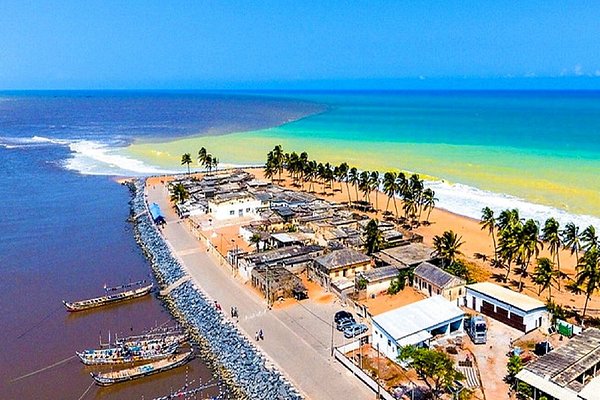
Kuwait, the dynamic Gulf state known for its rich history, modern architecture, and pivotal role in regional trade, is becoming an increasingly popular destination for Australian travelers. Whether you’re heading to Kuwait City for a short business trip or a longer cultural exploration, understanding the visa process is the first and most crucial step in your travel preparation.

Do Australian Citizens Need a Visa for Kuwait?
Yes, Australian citizens absolutely require a visa to enter the State of Kuwait. Unlike travel to some countries where short stays are permitted visa-free, Kuwait requires Australians to secure travel authorization regardless of the purpose of their visit (tourism, business, or family) and the intended length of stay. The good news is that Australian passport holders are eligible for two of the most convenient entry methods: the electronic visa (eVisa) or a visa on arrival (VOA). Both options bypass the need for an in-person application at the Kuwaiti embassy in Canberra, but the eVisa is almost always the recommended route for a hassle-free start to your journey.Can Australians Get a Visa on Arrival in Kuwait?
Yes, Australian citizens are eligible to obtain a visa upon arrival (VOA) when flying into Kuwait International Airport (KWI). Upon landing, you can proceed to the dedicated visa issuance counter, where you will complete a short application form and pay the required fee (usually paid in Kuwaiti Dinars, so have local currency or card ready). While the Visa on Arrival is a viable option and offers flexibility, travelers should be aware of a few potential drawbacks:- Waiting Time: Depending on the time of day and flight congestion, waiting in line for VOA processing can take significant time.
- Risk: Although rare, immigration authorities retain the right to deny entry to any traveler without explanation. Having an approved eVisa eliminates this uncertainty.
- Airline Policy: Some airlines may be hesitant to board passengers flying to Kuwait without pre-approved travel documents. Always confirm your airline’s policy before relying solely on a VOA.
What are the Requirements for an Australian to Get a Kuwait Tourist eVisa?
Applying for the Kuwait eVisa is straightforward, provided you meet the core requirements and have the necessary digital documents ready. The main requirements for an Australian citizen applying for a Kuwait Tourist eVisa include:- Valid Passport: Your passport must be valid for at least six months beyond your intended date of entry into Kuwait.
- Passport Bio Page: A clear, color scan of your passport’s bio-data (information) page.
- Applicant Photo: A recent, clear, passport-style photograph (often required in JPEG format).
- Accommodation Details: Proof of hotel reservation or an Invitation with the Host’s Civil ID (for those staying with residents).
- Passport Observation Page: A copy of the observation page (the page immediately above the bio-data page) if applicable.
- Applicant Birth Certificate: A copy of the birth certificate, issued by the country of birth.
- GCC Residence Permit: Required only for applicants who are residents of one of the Gulf Cooperation Council (GCC) countries.
- Confirmed Travel: Proof of onward or return travel tickets, demonstrating you plan to leave Kuwait.
- Financial Capacity: While not always required to be uploaded, you must be prepared to show proof of sufficient funds to cover your stay (see a detailed section below).
How Do I Apply for a Kuwait eVisa in Australia?
The entire Kuwait eVisa application process is digital and managed by the Kuwaiti government’s Ministry of Interior (MOI) website. You do not need to visit the Kuwaiti Embassy in Canberra to apply for this type of tourist visa.
- Complete the Application Form: Fill out the online application with your personal information, passport details, and travel itinerary. Ensure all information is accurate and matches your passport exactly.
- Upload Documents: Upload the required digital copies of your passport, photo, and supporting documents as listed above.
- Review and Submit: Double-check all entered information before final submission.
- Receive Confirmation: Once submitted, you will typically receive an email confirmation. After approval, the eVisa will be emailed to you, which you should print out and keep with your passport.
How Long Does the Kuwait Visa Process Take?
The processing time for the Kuwait eVisa varies significantly depending on the service option you select. Based on current information, Australian citizens have the following processing choices:- Normal Processing: Takes approximately 9–12 Working Days.
- Rush Processing: Takes approximately 6–9 Working Days.
How Long is a Kuwait Tourist eVisa Valid For?
The Kuwait Tourist eVisa is issued for Single Entry and permits a specific duration of stay.- Duration of Stay: The visa allows a maximum stay of 30 days from the date of entry.
- Entry Type: It is strictly a Single Entry visa, meaning it automatically expires upon exit, regardless of how many days you stayed.
- Entry Permit Validity: The eVisa entry permit itself is typically valid for a limited time (usually 30 days from issuance) and you must enter Kuwait before that date.
What’s the Validity Period for a Kuwait Tourist Visa Obtained on Arrival?
The validity period for a Tourist Visa obtained on arrival is generally more generous than the eVisa, permitting a maximum stay of up to 90 days (3 months) from the date of entry into Kuwait. As with the eVisa, the VOA is usually a single-entry visa, meaning you must exit the country upon expiration of the permitted stay. Overstaying this period is strictly prohibited and results in heavy daily fines (around 10 KWD per day) and potential future travel bans.When Should an Australian Get a Visa for Kuwait if Arriving by Sea or Land?
While the eVisa and VOA systems are incredibly convenient for those arriving by air at KWI, the rules change if you are planning to enter Kuwait by land or sea—for example, driving from Saudi Arabia. If you plan to arrive in Kuwait by a land border (e.g., from Saudi Arabia or Iraq) or by sea, you should generally obtain a traditional sticker visa in advance from the Kuwaiti Embassy or Consulate in Australia. Land and sea borders often have different protocols, and relying on the eVisa or VOA may not be guaranteed. To avoid being turned back at a border crossing, always contact the Embassy of Kuwait in Canberra to confirm the current entry requirements for non-air arrival methods well before your trip.What Documents Prove Financial Capacity for a Kuwait Tourist Visa?
While Australian citizens generally enjoy a straightforward eVisa process, immigration authorities always reserve the right to verify a visitor’s financial stability to ensure they can cover their trip without working illegally. Common documents that serve as proof of sufficient funds include:- Recent Bank Statements: Copies of bank statements from the last three months, showing a healthy balance.
- Pay Slips/Employment Letter: Recent salary slips or a letter from your employer confirming your income and paid leave status.
- Confirmed Sponsorship: If you are being hosted by a resident, a letter from your sponsor confirming they will cover your expenses, along with a copy of their civil ID.
- Credit Card Statements: While less definitive, the availability of major credit cards can sometimes serve as supporting proof.
What are the Requirements for Sponsoring a Family Member for a Kuwait Visit Visa?
If you are a Kuwaiti national or a foreign resident with a valid Iqama (residence permit) and you wish to sponsor a relative from Australia (such as a spouse, child, or parent) to visit, you will need to apply for a Family Visit Visa in Kuwait on their behalf within Kuwait. The sponsorship process requires specific documentation from the sponsor in Kuwait:- Sponsorship Form: A completed visa application form submitted to the Ministry of Interior in Kuwait.
- Kinship Proof: Official documents proving the family relationship (e.g., certified marriage certificate for a spouse, birth certificate for a child).
- Sponsor’s Documents: Copy of the sponsor’s Civil ID, passport, and their current salary certificate (usually required to meet a minimum income threshold).
- Security Form: A security form completed by the sponsor.
Besides Tourism, What Other Visa Types are Available for Kuwait?
Beyond the tourist eVisa, Kuwait offers several other visa categories tailored to different purposes of travel. These visas typically require a sponsor and must be processed through a Kuwaiti embassy or consulate, usually initiated by the sponsoring entity in Kuwait.- Business Visa: Used for attending short-term meetings, conferences, or negotiations. This visa does not permit remunerative work. An invitation letter from the Kuwaiti company is mandatory.
- Work Visa (Residence Visa): Required for all paid employment in Kuwait. This is the most complex visa and requires an employment offer, a local sponsor (the company), and the issuance of a No Objection Certificate (NOC) from the Ministry of Social Affairs and Labor.
- Dependent/Family Visa: Issued to the spouses and children of foreign residents who hold valid Work Visas (Iqamas).
- Transit Visa: For travelers connecting through Kuwait, though if your layover is short and you remain within the airport transit area, a visa may not be required.
What’s the Best Time to Visit Kuwait?
When planning your trip to Kuwait, timing is everything, especially concerning the weather.
RELATED POSTS
View all


Best Carsicko T-Shirts for Layering
November 19, 2025 | by IoT Development Company

Umrah in 2026 with Flexible Packages by UK Travel Agencies
October 21, 2025 | by IoT Development Company

4 Features of Protective Golf Ball Boxes
October 23, 2025 | by IoT Development Company